
Practical Shooting (Longarm)
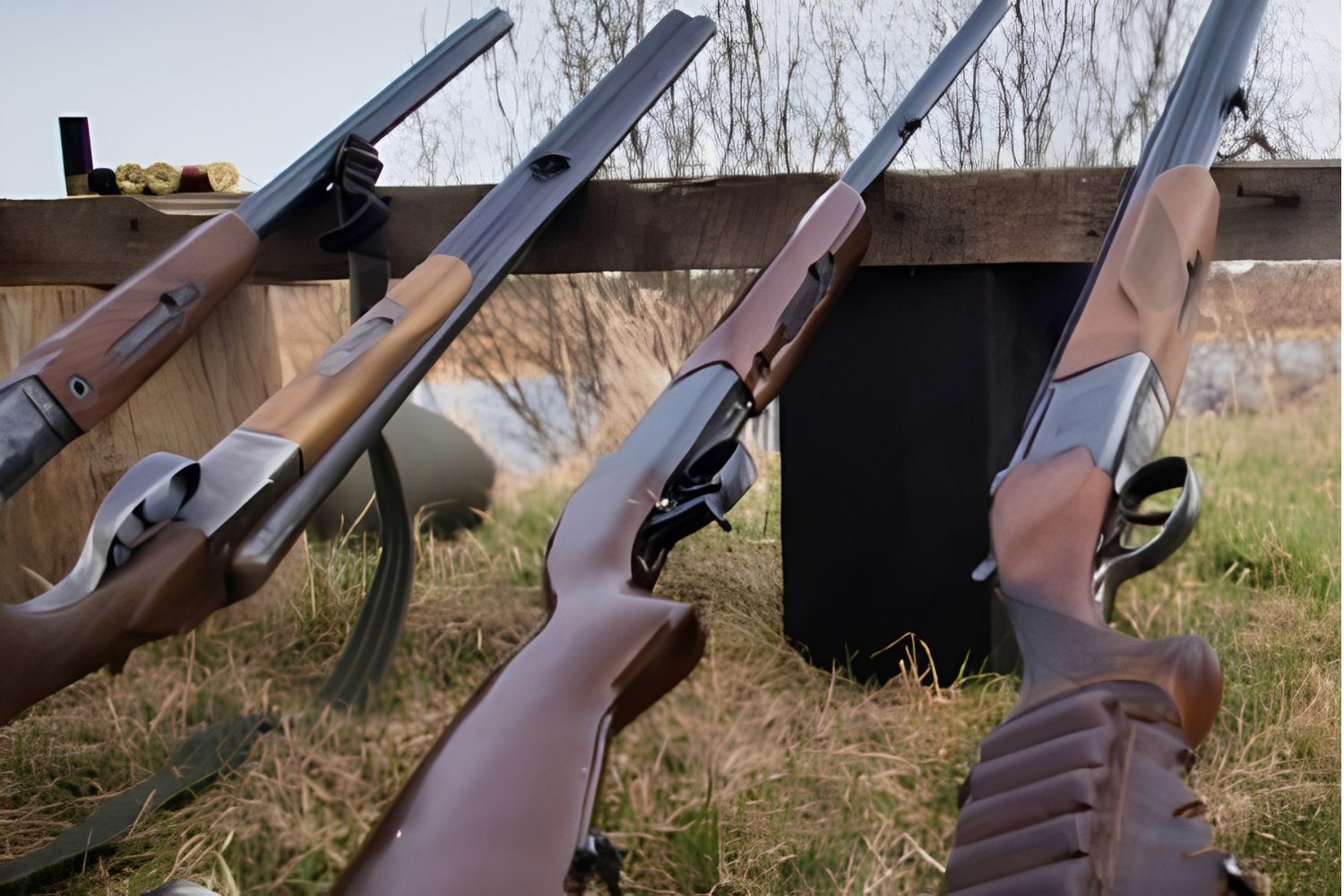
Practical Shooting is SSAA’s competitive and dynamic shooting sport catering to handguns, rifles and shotguns, with matches designed and constructed to ensure the principles of safety and sportsmanship are maintained for competitors, officials and spectators.
One of the most exciting and fast-paced disciplines within SSAA NSW, Practical Shooting combines accuracy, speed and safe firearm handling as competitors navigate challenging courses of fire. Moving through a variety of stages, shooters engage paper, cardboard and steel targets while testing both their skill and the reliability of their equipment.
As one of the Association’s most popular disciplines, Practical Shooting occupies the rare position of being an internationally recognised competition format. Courses of fire are designed to challenge competitors with varied targets and scenarios, including falling steel targets, plate racks, moving targets and SSAA cardboard scoring targets. Suitable for both indoor and outdoor ranges, Practical Shooting offers opportunities for shooters of all experience levels to develop their competition skills in a safe and supportive environment.
SSAA Practical Shooting was introduced in Western Australia in 1971 and has maintained its popularity across Australia for more than 50 years. Recognised as the definitive Australian Practical Shooting competition and maintaining a continuous independent rule book, the discipline has produced competitors who rank among the best in the world.
While similar formats exist internationally, including the United States Practical Shooting Association (USPSA) and Competition Sport Pistol in Singapore, Practical Shooting within SSAA has developed its own uniquely Australian style of stage design, competition and camaraderie.
Catering to all ages, abilities and levels of participation, Practical Shooting was one of the first dynamic handgun sports to include .22 rimfire firearms. Over time, the discipline expanded to include shotguns and rifles, providing competitors with a broad range of participation opportunities and pathways from local club competition through to State and National Championships.
Practical Shooting matches consist of multiple courses of fire conducted across a number of stages. Designed to continually challenge competitors, stages are regularly changed to ensure no two matches are ever exactly the same.
Competitors move through designated live-firing areas engaging a combination of targets while balancing speed, accuracy and strategy. Shooters must assess each stage, develop a shooting plan and safely navigate the course while being timed and scored.
Key features of Practical Shooting matches include:
- A minimum of three stages per match
- Courses designed to test accuracy, speed and power
- Regularly changing stage layouts and target presentations
- Individual scoring based on a combination of accuracy and time
- Supervision by accredited Range Officers to ensure safety standards are maintained
Courses of fire may be:
- Published – full course details are provided before competition
- Semi-surprise – limited information or diagrams are available
- Surprise – competitors receive minimal information beyond safety requirements
Targets used may include:
- SSAA cardboard or paper scoring targets
- Falling, swinging or overturning steel targets
- Frangible targets such as clay targets or tiles
- Bullseyes, wooden posts and other approved target types
Practical Shooting relies heavily on safety, sportsmanship and competitor participation, with shooters contributing to stage resets and match operations throughout the day.
State and National Championship events are conducted annually, providing progression pathways for competitors wishing to further develop their skills.
Practical Shooting caters to a wide range of firearms and equipment configurations. Separate divisions allow competitors to participate with equipment ranging from standard factory firearms through to highly specialised competition firearms.
Handguns
Practical Handgun Shooting includes self-loading pistols and revolvers, with calibres ranging from .22 rimfire through to major calibre centrefire handguns.
Handguns are carried and drawn from a holster, with ammunition held in magazines or speed loaders worn on the competitor’s belt. New participants are required to complete appropriate training and achieve holster accreditation before participating in Practical Handgun matches.
Open
Commonly referred to as the “Race Gun” division, Open allows extensive customisation including optical sights, compensators, modified triggers and oversized controls. This division represents the highest level of equipment development within the sport.
Standard
A traditional Practical Shooting division using metallic sights and limited modifications. Standard provides an excellent balance between performance and affordability while maintaining a strong focus on shooting skill.
Production
Production firearms are commonly used by police, military and security organisations. Modifications are strictly limited, with competitors generally using factory firearms in their original configuration. This division is currently restricted to 9mm calibre handguns.
Production Optics
Based on Production division rules, Production Optics permits the use of slide-mounted red dot optics while retaining strict limitations on other modifications.
Classic
Designed around traditional single-stack 1911-style pistols, Classic division rewards precision, stage planning and efficient firearm handling.
Revolver Standard
Restricted to revolvers with limited modifications, this division is highly respected due to the skill and consistency required to remain competitive.
Revolver Open
Allows enhanced revolver configurations including optical sights and other approved modifications.
Rimfire Standard
Designed around .22 Long Rifle handguns with limited modifications, Rimfire Standard provides an accessible and economical entry point into Practical Shooting.
Rimfire Open
Allows greater equipment customisation while retaining the low recoil and affordability of .22 Long Rifle firearms.
Scoring categories may include Major, Minor and Small Pistol power factors depending on division requirements.
Shotguns
Practical Shotgun is one of the most exciting long-arm disciplines, combining speed, accuracy and firearm handling with a variety of target types including steel targets and clay targets.
Australian firearm legislation means competitors typically use break-action, lever-action, straight-pull or pump-action shotguns.
Two divisions apply:
Standard
Factory-style firearms with minimal modifications.
Open
Allows enhancements such as red dot sights, extended controls, compensating devices and specialised loading equipment.
Shotgun shooting may be conducted at distances of up to 100 metres.
Rifles
Practical Rifle embraces a variety of action types including:
- Bolt-action
- Lever-action
- Pump-action
- Straight-pull
- Semi-automatic (where permitted by law)
Divisions include:
Standard
Factory-style rifles with limited modifications.
Open
Allows a wider range of accessories and enhancements.
Small Rifle
Designed around rimfire rifles and lower-powered platforms.
Practical Rifle competition may be conducted at distances ranging from close-range engagements through to 500 metres, depending on the range and course design.
Steel Challenge is a popular sub-discipline of Practical Shooting focused entirely on speed and consistency using fixed steel targets.
Competitors engage five steel plates on each stage, with the final plate serving as the stop plate. The fastest valid times determine overall placings.
Steel Challenge features:
- Rimfire and centrefire handgun competition
- Rimfire firearms chambered in .22 Long Rifle only
- Centrefire handguns chambered in .38 Special / 9mm minimum
- Minimum projectile velocity of 750fps
- Eight standardised stages:
- Accelerator
- Five to Go
- Outer Limits
- Pendulum
- Roundabout
- Showdown
- Smoke & Hope
- Speed Option
Steel Challenge provides an accessible introduction to Practical Shooting while remaining highly competitive for experienced participants.
Find out more
Practical Shooting offers a wide range of competitive opportunities for shooters of different skill levels and firearm types.
To learn more about getting involved in Practical Shooting (Longarm) in NSW, contact:
Graeme Johnson
SSAA NSW Disciplines Chair
Email: nswdisciplineschair@nsw.ssaa.org.au
Practical Shooting Discipline Chair Opportunity
Interested in becoming the Practical Shooting (Longarm) Discipline Chair?
Please send a brief cover letter outlining your relevant experience, skills and motivation for taking on the role to: